Which Material is Better: Aluminium or uPVC for Your Climate?
- Prem Kumar
- Sep 12, 2025
- 4 min read
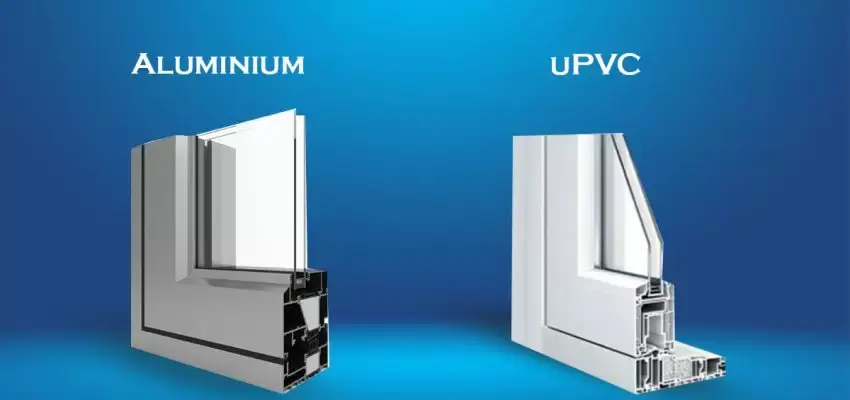
When it comes to windows and doors, fittings not only need to be aesthetically pleasing but also need to be comfortable, energy efficient, and durable. For centuries, wood had been the go-to construction material, but its susceptibility to weathering, rotting, and warping meant it was due for an upgrade. Hence, aluminium and uPVC are now the construction material of choice for modern architecture.
But the question persists: what construction material is best suited for your environment, aluminium or uPVC? This article sheds light on the features, benefits, and the materials' effectiveness in differing climatic conditions.
What is Aluminium?
Lightweight yet sturdy, aluminium is a popular material among modern architects and builders due to the fact that it provides a contemporary and sleek feel, while still remaining durable. Aluminium window and door frames are exceptionally versatile in design since they are corrosion resistant and can be powder coated in virtually any colour design.
Captivating Qualities of Aluminum
No rust or corrosion means a long lifespan
Less material for the frames means more glass for natural light
Excellent selection of colors and finishes for ultimate customization
Aluminium is a construction material you can feel good about, as it is 100% recyclable.
What is uPVC?
The construction of windows and doors with German engineering is a big reason for the insulating value that uPVC doors and windows possess. The effectiveness of these fittings, coupled with the low cost, makes uPVC an appealing material for construction.
Pros of uPVC windows:
Efficient thermal insulation (homes stay warm in winter and cool in summer)
Demands little upkeep—no rust, flakes, or warps
Less expensive than aluminium windows
Reduced noise for living in the city
Aluminium vs. uPVC: Pros and Cons at a Glance
Feature | Aluminium Windows/Doors | uPVC Windows/Doors |
|---|---|---|
Strength | Extremely strong, slim frames | Strong, but bulkier frames |
Insulation | Needs thermal breaks | Excellent by default |
Durability | Long lifespan, corrosion-resistant | Weather-resistant but UV-sensitive |
Maintenance | Low (may need occasional repainting) | Very low |
Cost | Higher upfront cost | More affordable |
Design Appeal | Sleek, modern, slim profiles | Stylish but thicker frames |
Eco-Friendliness | 100% recyclable | Less sustainable |
Best for | Coastal, windy, design-led projects | Cold, mixed, budget-conscious projects |
Aluminium vs uPVC - How Both Stand Out to Different
Weather Conditions
Every weather type has its own peculiarities. This is how aluminium and uPVC perform in different weather:
1. Hot and Dry Weather
Aluminium: Sips in and loses heat unless it is insulated or thermally broken. Great for heat insulation.
uPVC: Naturally takes in heat, which lowers air-conditioning bills and helps the interior maintain coolness.
Best Choice: uPVC
2. Cold and Foggy Weather
Aluminium: Without thermal breaks, it loses heat quickly, which makes for a cold room with condensation.
uPVC: Keeps energy in the room, which helps lower the bills in cold places.
Best Choice: uPVC.
3. Wet and Coastal Weather
Aluminium: Performs great against moisture/salt and is not corroded. Excellent for Marine-grade Aluminium.
uPVC: Does not work well with moisture. May bleach with great UV light unless protected.
Best Choice: Aluminium.
4. Stormy and Windy Weather
Aluminium: Great for keeping structures that are heavily fielded with windows.
uPVC: Can become strong with the addition of steel supports.
Best Choice: Aluminium.
5. Moderate or Mixed Climates
Aluminium: Ideal for homeowners who want style, slim frames, and large glass panes. Thermal breaks improve efficiency.
uPVC: Best if insulation, comfort, and price are your primary concerns.
Best Choice: Totally subjective—uPVC for comfort, Aluminium for aesthetics and strength.
Beyond Climate: Other Key Considerations
1. Energy Efficiency
If you want to save money on energy bills, you'll want to go with uPVC instead of aluminium, unless you are using thermally broken frames.
2. Design & Aesthetics
Aluminium has a modern appearance with thinner frames, making it ideal for luxury residences and commercial buildings. uPVC has stylish windows, but the frames are thicker.
3. Durability & Lifespan
While both materials are able to withstand extreme elimination for decades, they are not equally suited to heavy duty use—this is where aluminium dominates.
4. Maintenance Needs
uPVC is virtually maintenance-free apart from periodic cleaning, while Aluminium will require a coat or refinish after a number of years, particularly near marine environments.
5. Environmental Impact
Aluminium is entirely recyclable, while uPVC is not as easily recyclable. If you are environmentally concerned, aluminium is the better choice.
Which One Should You Choose?
Pick uPVC if you want stronger insulation, less maintenance, and a budget friendly option while living in hot, cold, or mixed climates.
If you reside in coastal and humid or storm-prone areas, you should consider the following. Suppose you want a modern, slim aluminium frame. If you want high durability and strength with long lasting durability, then aluminium is the better option.
The smartest option will vary based on your climatic conditions, budget, and personal needs in lifestyle. Speaking with a professional in the trade, a window and door installer, will narrow down the proper material for your conditions.
Both materials, aluminium and uPVC, have strengths and weaknesses that differentiate them from one another, even while making them valuable options for doors and windows. Aluminium is dominant in strength, style, and weather resistance. uPVC is dominant in insulation, offers the best pricing, and provides warmth.
In the end, the right material for a home is defined by the uPVC and aluminium. The placement is defined by the design goals and climatic conditions. After defining the purpose clearly, you can increase the value of your property while making a sustainable investment that improves comfort and saves energy.
For enquiries & orders, Contact:
📧 Email: order@mccoygroup.in
📱 Phone: +91-8010434434


Comments